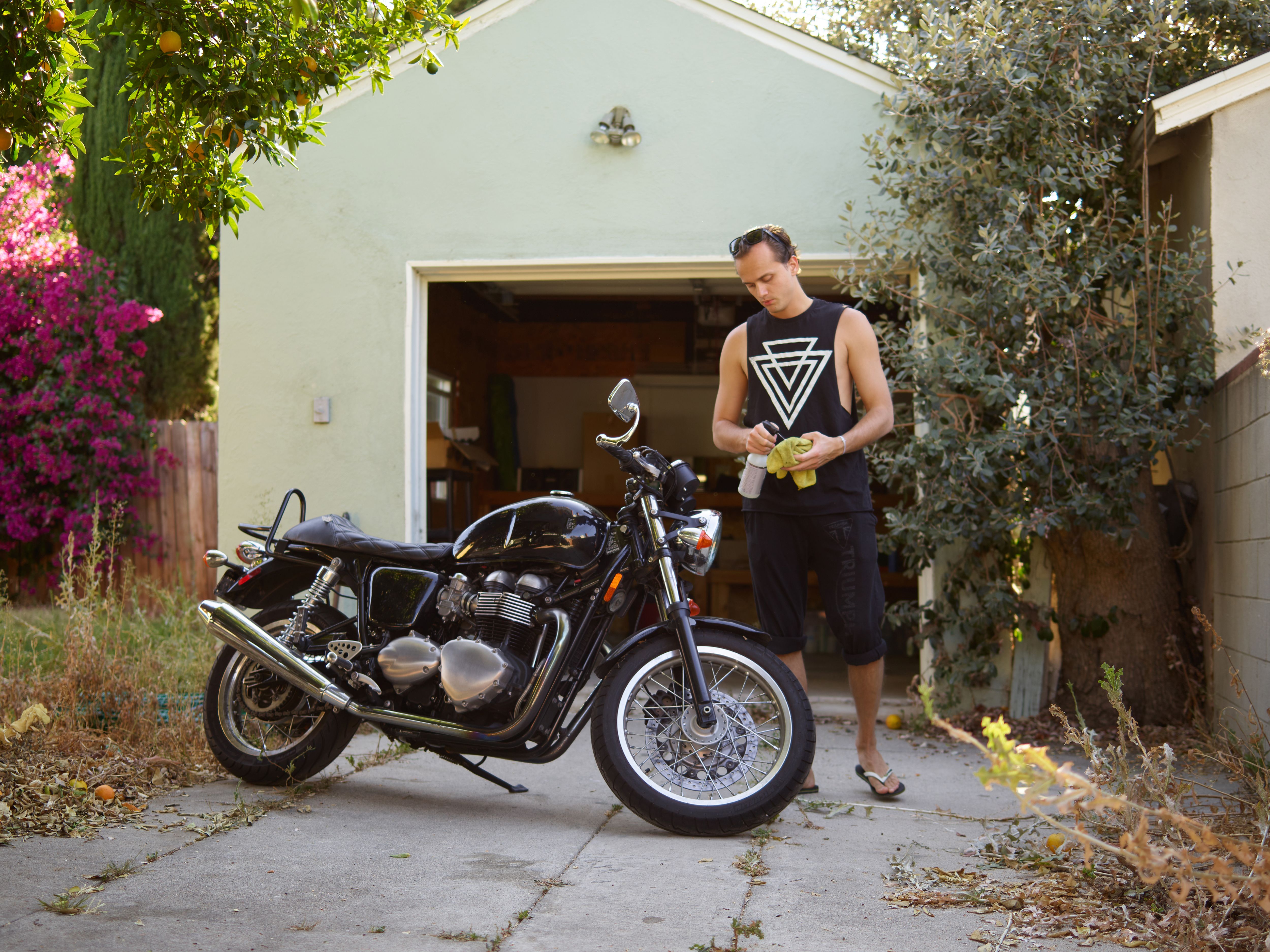
A two-wheeled commute can keep everyday travel costs manageable, but neglected maintenance quickly erodes those savings. Minor wear often develops gradually, so a machine may still feel usable while tyres, controls and drive components approach the point where replacement becomes urgent. A sensible care routine spreads costs across the year and helps prevent inconvenient breakdowns. Research into daily commuting patterns also highlights how regular travel choices affect wider household decisions, making reliability a practical financial concern.

Image Credit: Pexels
The Economics of Daily Riding
Start by recording every commuting expense for three months, including servicing, replacement parts, parking and cleaning products. This gives you a realistic cost per mile and exposes false economies. Delaying a modest repair may lead to damage elsewhere, turning a manageable bill into a much larger one.
The true cost of commuting includes indirect expenses as well as the obvious daily outlay. Lost working time after a breakdown matters too. The Kawasaki Parts catalogue gives riders a way to check available replacement components. Before ordering, compare the part number and specifications with your motorcycle’s exact model and year to avoid buying an incompatible item.
Wear Patterns from Urban Traffic
Urban traffic creates a different type of wear from steady open-road travel. Repeated stopping places extra demand on brakes, the clutch and transmission components, while low-speed manoeuvres can expose tyres to potholes, raised covers and road debris. Short journeys may also give moisture less time to clear from the machine.
Check tyre pressure weekly when the tyres are cold, then inspect tread and sidewalls for uneven wear. Pay attention to changes in braking feel, unusual vibration and controls that become stiff. A five-minute visual check every weekend can reveal a fluid leak, loose fitting or damaged cable before Monday morning’s commute turns it into a bigger problem. You can also review these routine vehicle checks for additional inspection reminders.
Balancing Garage Fees with DIY Care
Separate routine owner checks from jobs that require specialist tools, technical data or trained judgement. You can usually handle cleaning, tyre-pressure checks and basic visual inspections at home. More involved work, particularly anything affecting braking, steering or electrical reliability, belongs with a qualified technician if you lack the correct experience.
Use the service schedule as your baseline and keep garage visits predictable. Booking maintenance before a known interval is often easier on the budget than requesting urgent work after a fault appears. Ask for an itemised estimate and clarify which parts need immediate replacement. A garage should also explain which advisory items can be monitored until the next scheduled visit.
Sourcing Reliable Kawasaki Parts for Less
Price matters, but compatibility and condition matter more. Use the machine’s exact model, year and identifying details when searching because visually similar parts may have different fittings or specifications. If a listing leaves those details unclear, ask before ordering.
Genuine parts provide a straightforward route to the intended fit and specification. Approved used parts can reduce the bill for suitable repairs, provided they have been inspected and their condition is described clearly. Check the returns process, delivery method and payment security as well. Keep the invoice and packaging until installation is complete, since these details can help if you need to confirm a part number or arrange a return.
Preserving Long-Term Machine Value
A tidy service history supports future value because it shows that care happened consistently, not only when something failed. Save dated invoices, record mileage at each service and note replacement parts in a simple spreadsheet or phone document. Photographs of major work can add useful context.
Regular washing also deserves attention, especially after wet journeys or exposure to winter road residue. Use suitable products, dry accessible areas and inspect for early corrosion while cleaning. Deal with small cosmetic damage before moisture spreads beneath the finish. Most importantly, respond when the machine begins to feel different. A new noise or change in handling is useful information, and an early inspection may preserve both reliability and resale value.
The best maintenance record is the one you can sustain through a full commuting year. Set checks by mileage or calendar date, keep a modest repair fund and book workshop time before a minor warning becomes an expensive interruption.