Image Credit: Pexels
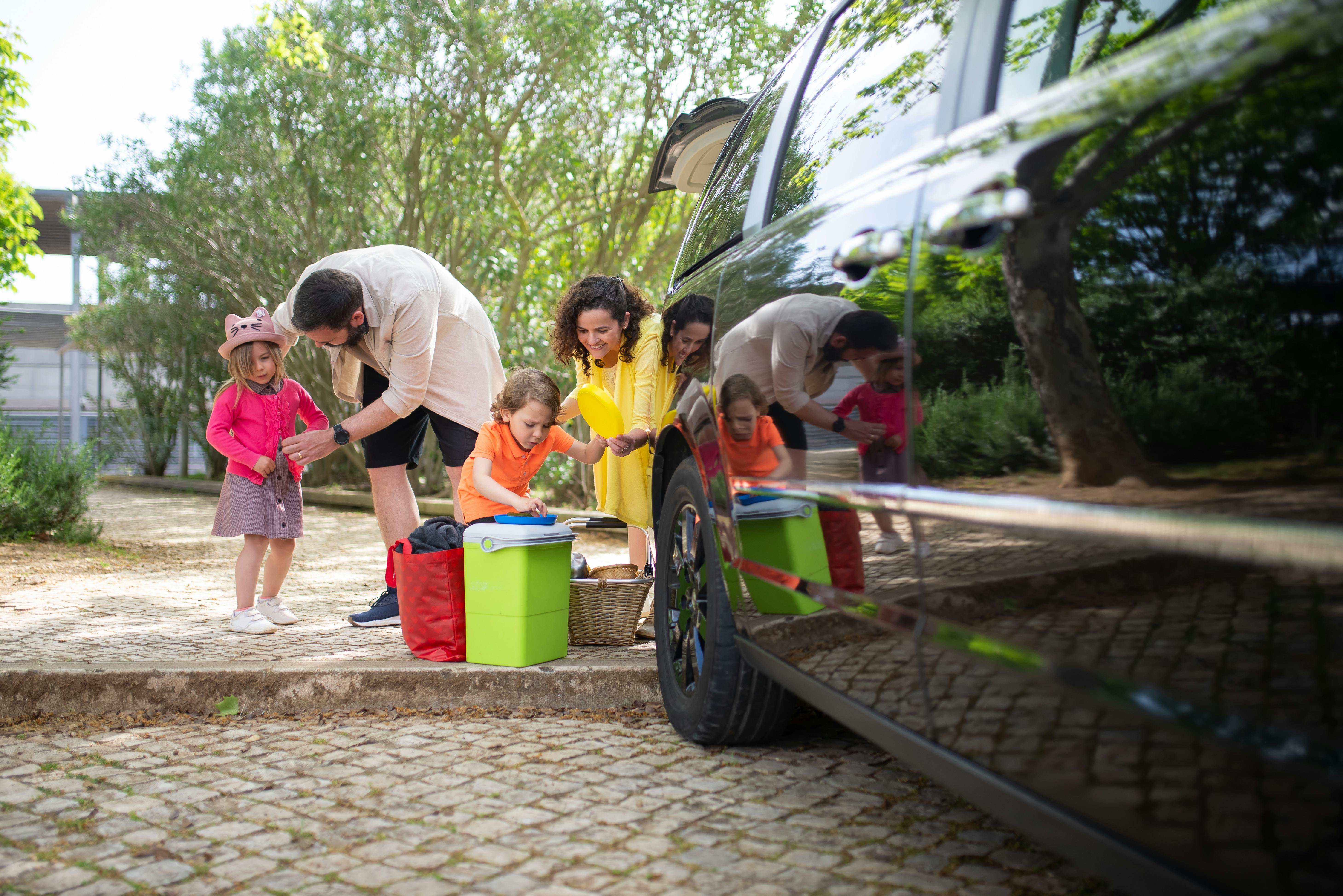
A family road trip can turn an ordinary school holiday into a collection of stories that children remember for years. Successful trips usually have a simple plan, enough flexibility for unexpected stops and a vehicle that suits the people and luggage on board. From choosing a route to keeping everyone comfortable, a few practical decisions can make long-distance family travel far more enjoyable.
Planning Your Next Family Road Trip
Start with a realistic daily distance. Adults may manage several hours behind the wheel, but younger passengers often need a break every 90 minutes to two hours. Mark suitable parks, service areas and family-friendly attractions along the route, then allow spare time for traffic or an unplanned lunch stop.
Check luggage space before departure, especially if you’re carrying a pushchair, travel cot or sports equipment. Families considering a different car before a major trip should compare boot capacity, rear-seat access, comfort and running costs. An Audi approved used vehicle may be worth considering if you want a pre-owned car that has passed checks under a manufacturer-backed programme. Review the inspection standards, warranty terms and other included benefits, then check that the specific vehicle has enough room for your passengers and luggage.
Keeping Children Entertained on Journeys
Prepare a small activity bag for each child and keep it within reach, not buried beneath the luggage. Colouring books, reusable sticker scenes, magnetic puzzles and audiobooks work well because they require little space. These screen-free road trip activities offer further ideas for toddlers and older children.
Variety helps on longer drives. Rotate activities every 30 to 45 minutes and save one new item for the final stretch. Classic games such as spotting vehicles of a certain colour can involve the whole family, while these road trip entertainment tips include simple options for different ages. Pack water and low-mess snacks in individual portions, taking care to avoid foods that could present a choking risk.
The Importance of Reliable Family Transport
Reliability matters when your plans include motorway driving, rural roads or several overnight stops. Arrange any servicing that is due well before departure and check the tyres, lights, fluid levels and windscreen wipers. Leaving these checks until the evening before the trip gives you little time to fix a problem.
Comfort also affects how the family feels on arrival. Rear legroom, effective air conditioning and supportive seats become much more noticeable after three hours on the road. Think about everyday practicality too. Wide-opening rear doors can make child-seat access easier, while a low boot lip helps when loading heavy cases. Keep charging cables, wipes and a basic first-aid kit in an accessible compartment.
Safety Features for Peace of Mind
Modern driver-assistance systems can reduce stress, but drivers still need to stay attentive and understand what each feature can do. Automatic emergency braking may respond to a developing hazard, while lane support can warn you if the car begins to drift. Parking sensors and reversing cameras are especially useful in busy hotel car parks or unfamiliar town centres.
Check that every child seat is suitable for the child’s height and weight, then fit it according to both the seat and vehicle instructions. Loose coats can affect how securely a harness sits, so remove bulky outer layers before fastening it. Place heavier luggage low in the boot and secure anything that could move during sudden braking.
Budgeting for Your Family Vehicle
Look beyond the purchase price when working out what a family vehicle will cost. Insurance, servicing, tyres, fuel or charging and annual registration fees all belong in the household budget. A car with a lower advertised price may cost more over three years if it uses considerably more fuel or needs frequent repairs. Before committing to a pre-owned car, these tips on what to check when buying second-hand offer a useful reminder to compare listings carefully and look out for potential warning signs.
Estimate your usual annual mileage and compare realistic running figures for the models on your shortlist. Remember to leave room for occasional expenses such as replacement tyres, breakdown cover or a roof box. If finance is involved, focus on the total amount payable and any mileage conditions as well as the monthly figure.
Once the practical details are settled, leave a little room in the itinerary for the stop nobody planned. A quiet beach, woodland picnic area or roadside viewpoint often becomes the part of a family road trip that everyone talks about afterwards.